
Meet Marnie Matthews, LCSW
Founder & Executive Director, Center for Hoarding
Meet Marnie Matthews, LCSW
Founder & Executive Director, Center for Hoarding
My Journey Into Hoarding Work
One of the questions I am asked most often is, “How did you get into hoarding work?”
The short answer is that I stumbled into it completely by accident—and it changed the course of my life.
In 2009, I had recently moved from Texas to Massachusetts and was working in life insurance sales while trying to decide what I wanted to be “when I grew up.” Around the same time, I became fascinated by a new television show called Hoarders. The complexity of the situations, the emotional attachment to possessions, the family dynamics, and the challenges faced by both individuals and communities captured my attention in a way few topics ever had.
In 2010, I returned to college as a non-traditional student and enrolled in a social work program. While attending Salem State University, I was searching for an internship placement when I overheard someone mention the word “hoarding.” I immediately changed direction, introduced myself, and asked if there was actually a placement opportunity involving hoarding. The answer was yes.
That moment changed my life. Since 2011, my professional career has been dedicated to understanding hoarding behavior, supporting individuals and families affected by hoarding, educating professionals, and helping communities develop more effective and compassionate responses to hoarding situations.
More than a decade later, I remain just as passionate about this work. Every training, consultation, case, and community partnership continues to reinforce my belief that meaningful change happens through education, collaboration, compassion, and practical solutions.
Professional Biography
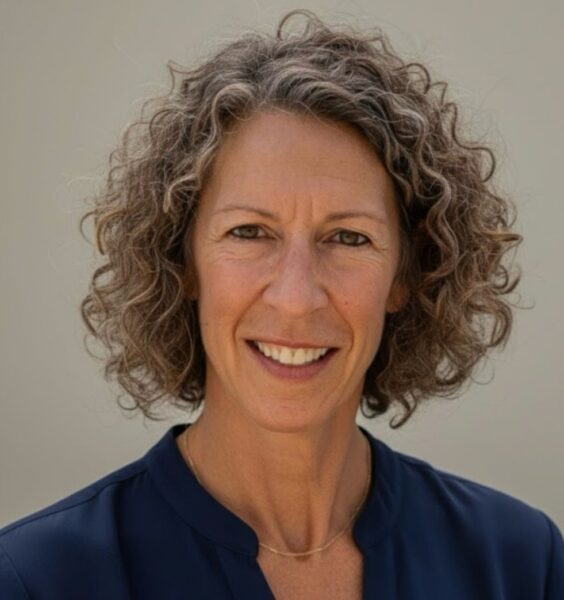 Marnie Matthews, LCSW, is the Founder and Executive Director of the Center for Hoarding and one of the nation’s leading experts in community hoarding intervention, professional education, and multidisciplinary response to hoarding situations. Since beginning her work in the field in 2011, she has dedicated her career to helping individuals, families, agencies, and communities more effectively understand and respond to the complex challenges associated with hoarding.
Marnie specializes in the mental health treatment and crisis management of hoarding and is the founder of both the Center for Hoarding and The Clutter Movement. Through her work, she has provided treatment, consultation, and training to individuals, families, agencies, and communities throughout the United States and internationally.
From 2011 through 2017, Marnie developed and served as the Clinical and Program Director of the North Shore Center for Hoarding and Cluttering in Massachusetts, a clinically based program providing support groups, individual and family counseling, peer support, crisis case management, consultations, and community training.
Marnie is the developer of the Uniform Inspection Checklist (UIC), a standardized assessment and Harm Reduction tool now used throughout the United States, Canada, and Australia to assess hoarded environments, establish objective goals, and monitor and measure progress throughout the resolution process.
She has presented extensively at conferences, agencies, and professional organizations on topics including Hoarding Disorder, Harm Reduction, Cognitive Behavioral Therapy for Hoarding, Community Response Development, Hoarding Task Force Implementation, and Collaborative Intervention Strategies. Her work focuses on helping communities move beyond crisis response toward coordinated, sustainable solutions.
Throughout her career, Marnie has served in numerous leadership roles, including Vice President of The Hoarding Project, Chair of the North Shore Hoarding Task Force, member of the Boston Hoarding Task Force, and member of the Massachusetts Statewide Steering Committee on Hoarding.
Marnie has supervised and trained graduate-level social work students since 2013 and has served as a field instructor for students from Salem State University, Simmons University, and the University of Denver.
Today, Marnie continues to provide hoarding-specific treatment, consultation, professional certification training, agency education, community response development, and crisis case management through the Center for Hoarding and her private practice. Her mission remains focused on expanding access to education, resources, collaboration, and evidence-informed solutions that improve outcomes for individuals, families, agencies, and the communities they serve.