
Fall 2026 Registration Is Now Closed
Join the waitlist for Spring 2027
Spring classes are expected to begin in mid-January, with the complete schedule and registration information announced in December. Our classes fill quickly, so join the waitlist now to receive program updates and be among the first notified when registration opens.

More than a training.
A community response solution.
A 12-Part, 24 Contact Hour / NASW CEU Approved Live, Online
Professional Certificate & Continuing Education Program
The only hoarding certificate that includes comprehensive training,
12 months of continuing education, ongoing case consultation, and professional support.

The 2024 U.S. Senate Special Committee on Aging’s Consequences of Clutter report underscores the urgent need for increased training and coordinated community responses to hoarding nationwide. Our Professional Certificate Program and Continuing Education & Support Program were designed to address exactly that need.
Through live instruction, practical tools, ongoing consultation, and professional support, participants gain the knowledge, confidence, and resources needed to effectively manage hoarding cases in real-world community settings.
✓ 12-Part Live, Online Professional Certificate Program
Learn directly from leading experts through an in-depth curriculum that combines foundational knowledge with practical, evidence-based intervention strategies. Participants develop the skills, tools, and confidence needed to effectively respond to hoarding situations in their professional roles.
✓ Multi-Disciplinary Training
Designed for Case Managers, Social Workers, Adult Protective Services, Housing Authorities, Property Management, HUD, HHS, Housing Service Coordinators, First Responders, Public Health Agencies, Code Enforcement Officers, Hoarding Task Force members, and other community professionals, this program emphasizes collaborative, inter-agency approaches to intervention.
✓ Ongoing Education, Consultation & Professional Support
Our Professional Certificate Program includes 12 months of access to our Continuing Education & Professional Support Program (after Certificate is issued), ensuring there is no gap between certification, real-world application, and ongoing professional development. Benefits include unlimited access to live and recorded continuing education courses, 24 TEAM Case Consultation opportunities annually for ongoing expert guidance and support.
Following the initial 12-month included membership period, the Continuing Education & Support Program becomes a renewable certificate maintenance program. Continued participation allows professionals to maintain certification, stay current with emerging best practices, and continue receiving advanced training, consultation, and support without repeating the full Professional Certificate Program.
Join us to strengthen your expertise, expand your impact, and turn national recommendations into real-world action and sustainable solutions for your agency, your professional community, and the people you serve.
**Supervisors & Agency Leaders**
not just certify key staff?
Agency & Community Workforce Development Training to build organization-wide knowledge,
strengthen collaboration, and improve coordinated community responses.
Many agencies combine both programs to develop internal experts while building workforce
capacity across their organization—creating a coordinated, sustainable approach to hoarding intervention.
Who We Are
 Since 2013, The Center for Hoarding, under the direction of Marnie Matthews, LCSW, has been a trusted leader in training multidisciplinary teams, agencies, and communities throughout the United States and Canada to effectively manage hoarding cases.
Highly sought after, our trainings are consistently fully booked and often maintain waitlists, reflecting the value agencies and professionals place on practical, evidence-based education and support.
We equip professionals with proven tools, collaborative strategies, and compassionate approaches that improve outcomes for individuals, families, and communities affected by hoarding. Participants consistently report increased understanding of the complex health, mental health, housing, and social service issues associated with hoarding, while developing greater empathy, patience, and confidence in their work.
From Adult Protective Services and housing authorities to social workers, property managers, first responders, and multidisciplinary community teams, our training programs, harm reduction strategies, and innovative resources—including the Uniform Inspection Checklist—help create practical, sustainable solutions that make a meaningful difference in the lives of those we serve.
 Course Curriculum Overview

Fall Course Calendar
Classes start: Thursday, September 10, 2026
Class time: Thursdays from 10:00am – 12:30pm CST
Schedule: 3 weeks on, 1 week off
Final class date: Thursday, December 17, 2026
Registration Timeline
Registration closes: September 8, 2026
Although classes begin on September 10, 2026, registration closes two days prior to the start date to allow adequate time to process enrollments, establish participant accounts, and ensure all students have full access to course materials and orientation resources before the program begins.
 Agency Enrollment Recommendation
To maximize the effectiveness and sustainability of community hoarding interventions, we strongly recommend that agencies enroll a minimum of two key staff members from each department or program area in the Professional Certificate in Community Hoarding Intervention.
Hoarding cases are often complex, long-term situations that require ongoing coordination, problem-solving, and continuity of care. Training multiple staff members helps ensure that knowledge is not limited to one individual and allows agencies to build internal capacity, maintain consistency in practice, and strengthen collaborative decision-making.
- Greater Organizational Capacity – Build internal expertise and reduce reliance on a single staff member.
- Consistency in Service Delivery – Apply best practices consistently across staff, shifts, and cases.
- Improved Collaboration – Create a shared framework for assessment, intervention, documentation, and coordination.
- Continuity of Knowledge – Protect against disruptions caused by staff turnover, role changes, vacations, or leave.
- Enhanced Client Outcomes – Support safer, more effective, and more sustainable interventions.
- Long-Term Professional Support – Staff remain connected to ongoing education, consultation, and expert guidance.
By investing in multiple staff members, agencies create a stronger, more coordinated response system that benefits both the professionals providing services and the communities they serve.
Certificate Maintenance,
Continuing Education & Ongoing Support
Unlike most certificate programs that end once the training is complete, our program is designed to ensure participants remain supported, connected, and current long after earning their certificate. Upon successful completion of the 12-Part Professional Certificate Program, participants receive 12 months of access to the Continuing Education & Professional Support Program at no additional cost, providing a seamless, no-gap transition from certificate to ongoing learning, consultation, and professional support.
During the included 12-month membership, participants maintain their certificate while continuing to expand their knowledge and strengthen their skills through advanced recorded courses, TEAM Case Consultations, and practical resources designed to support real-world application.
Your membership includes:
- Unlimited access to an expanding library of recorded continuing education courses
- New continuing education courses added to the Course Library each month
- Participation in 24 TEAM Case Consultation opportunities each year
- Training on emerging topics, challenges, and evolving best practices
- Ongoing expert guidance, practical tools, resources, and professional support
Following the initial 12-month included membership period, the Continuing Education & Professional Support Program becomes a renewable certificate maintenance program. To maintain certification, participants simply renew their membership before their certificate expires and complete the annual certificate maintenance requirements.
Annual certificate maintenance requirements:
- Complete 10 continuing education credit hours annually
- Complete the required 2-hour Annual Certificate Update & Refresher Course
This certificate maintenance model ensures professionals remain current with evolving research and best practices while continuing to benefit from ongoing education, consultation, and support—without repeating the Professional Certificate Program.
Earn your certificate. Maintain your certification. Continue learning, strengthen your practice, and stay connected to a growing national community of professionals responding to hoarding.
Meet Your Expert Training Team
 Terina Bainter, COC®, ICD is a hoarding specialist serving Pierce and South King counties with more than a decade of experience supporting individuals facing chronic disorganization. From 2012 – 2021, she held multiple Institute for Challenging Disorganization certifications in Hoarding, Chronic Disorganization, Aging, and ADHD and serves on the Board of The Hoarding Project. Terina provides trauma-informed assessments, community workshops, and coordinated interventions that reduce safety risks and connect people to vital supports. A Professional Organizer Coach (COC®) and Associate Certified Coach with the International Coaching Federation, she uses a three-stage process—Awareness, Action, Learning—to help clients declutter homes, manage finances, and build lasting habits through practical, goal-oriented coaching.
 Eileen Dacey, LICSW, is an independently licensed clinical social worker and CBT-certified therapist specializing in the treatment of hoarding disorder and OCD-related conditions. She provides psychotherapy, facilitates support groups for individuals and families affected by hoarding, and delivers crisis management for those facing eviction or condemnation. One of the few clinicians in Massachusetts with expertise in animal hoarding, Eileen is frequently called on regionally and nationally to consult on complex cases, develop uniform procedures and best practices, and train multidisciplinary service providers. In addition to her clinical work, Eileen is a PhD candidate and Associate Professor of Practice at Simmons University School of Social Work, where she directs Online BSW Practicum Education and teaches at both the BSW and MSW levels, including the elective Understanding Suicide: Prevention, Intervention, and Postvention. Her doctoral research explores the intersection of OCD and suicide to improve assessment and intervention strategies.
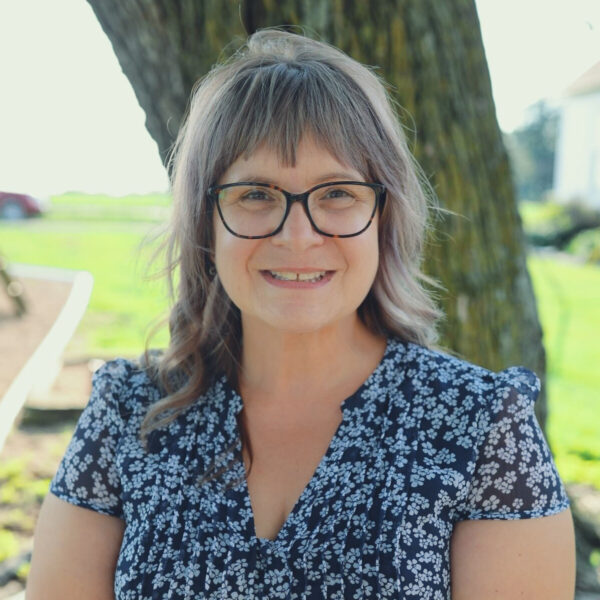
Cecilia “Ceci” Garrett, MSW, LICSW, specializes in treating Hoarding Disorder, anxiety, and trauma. Her unique personal and professional experience with hoarding—working with individuals, families, agencies, and communities—informs her advocacy efforts. Her passion is destigmatizing hoarding disorder through compassionate and engaging education of professionals, families, and communities about the importance of mental health treatment as a vital part of addressing hoarding behaviors.
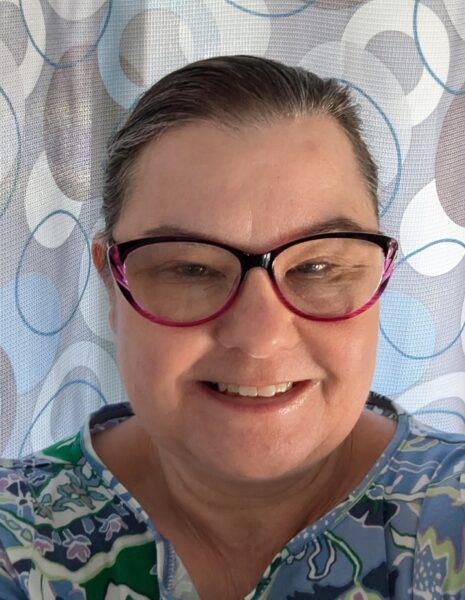 Miriam Greenburg, MSW, LICSW, brings 26 years of experience in the social work field across a variety of settings, with the last 12 years dedicated to Massachusetts’ Tenancy Preservation Program (TPP) at Eliot Community Human Services, where she currently serves as Assistant Director. In this role, she provides clinical consultation to Housing Court, collaborates with judges, landlords, and community providers, and connects tenants whose housing difficulties are related to disability (which includes mental health disability related to hoarding) with the supports they need to remain stably housed. Through her leadership, Miriam has helped TPP fulfill its mission of preventing homelessness by fostering collaboration among courts, landlords, and service systems.
 Ashley Kraft, PSC, (Professional Service Coordinator) is the leading expert on hoarding disorder for the Seattle Housing Authority, where she is creating a housing program to address high clutter and hoarding behaviors. As co-facilitator of the Northwest Hoarding Coalition, she connects housing providers and community service professionals with education, resources, and compassionate support for individuals experiencing hoarding disorder. Ashley has presented at multiple conferences on the intersection of seniors, housing, and hoarding. She holds a B.S. in Gerontology from Central Washington University and brings more than 12 years of experience in Assisted Living and Memory Care. A mid-career shift into affordable senior housing inspired her to launch Resident Services and Housing Stability programs after attending a pivotal seminar on hoarding disorder in 2013.
 Marnie Matthews, LCSW, is a licensed clinical social worker specializing in the mental health treatment and crisis management of hoarding disorder, OCD, and Anxiety Disorder. She is the founder of the Center for Hoarding and previously developed and served as Clinical and Program Director of the North Shore Center for Hoarding and Cluttering in Massachusetts, where she led support groups and provided individual and family counseling, crisis case management, and community and agency trainings. Since 2013 Marnie has been a highly sought-after and respected trainer for agencies and communities across the U.S. working to better address hoarding. She developed the Uniform Inspection Checklist (UIC), a universal tool for applying Harm Reduction to hoarding cases, now used in the U.S., Canada, and Australia to effectively address hoarding cases, and has held leadership roles on multiple hoarding task forces and committees, including serving as Vice President of the Board of Directors for The Hoarding Project.
 Dr. Jennifer Sampson, PhD, LMFT, is a licensed therapist with extensive expertise in hoarding disorder. As Executive Director of The Hoarding Project for ten years, she developed treatment programs, supervised clinicians, and partnered with community task forces to advance best practices in clinical care and crisis intervention. Her doctoral research examined trauma and family experiences in hoarding behavior, and she has authored multiple publications and trainings on hoarding and its impact on individuals, families, and communities. Dr. Sampson is a sought-after national and international trainer, keynote speaker, and consultant on hoarding disorder, known for her compassionate, systemic, and research-informed approach. Dr. Jennifer Sampson, PhD, LMFT, is co-founder of Northwest Relationships, a Washington-based group practice committed to accessible, anti-oppressive mental health care, and founder of Lovewell Initiatives, which provides leadership development and equity-focused training for professionals. With nearly 20 years of clinical, academic, and supervisory experience, she specializes in reproductive mental health, sexuality, and systemic leadership development. A past president of the Washington Association for Marriage and Family Therapy, Dr. Sampson is recognized nationally for advancing trauma-informed, socially just approaches in both clinical practice and professional education.
 Leslie Shapiro, MA, LMFT, is a licensed marriage and family therapist with extensive expertise in Hoarding Disorder. In her work with THP Consulting (formerly The Hoarding Project), she served as a staff consultant, mental health therapist, and educator, providing clinical support and nationwide trainings on hoarding intervention. Leslie has worked across diverse clinical settings, including outpatient therapy, children’s therapy units, and support groups, and has co-authored a chapter on hoarding in The SAGE Encyclopedia of Marriage, Family, and Couples Counseling. She specializes in anxiety and depression, and her expertise in hoarding, comorbid conditions, and the legal and ethical dimensions of complex cases has made her a highly respected clinician, educator, and consultant in the field.
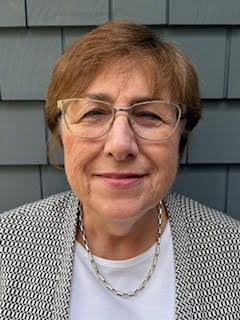 Karen Sullivan, MSW, LICSW, is a licensed independent clinical social worker specializing in hoarding disorder, chronic disorganization, and crisis case management of hoarding cases in the community. She spent six years as a Clinical Hoarding Specialist, including as a Program Manager, at an elder services agency, providing clinical and crisis case management for individuals struggling with hoarding behaviors and excessive clutter while supporting and educating their families and friends. Karen has extensive experience facilitating support groups, leading five to six decluttering groups each year, and collaborating with community stakeholders on complex cases. She also oversaw the program’s referral process and master’s-level social work internship program, and previously served as Outreach Coordinator at a council on aging, advocating for seniors and caregivers and connecting them to essential resources.
 Get Certified. Stay Certified.
Stay Current. Stay Supported.
Our 12-part, 24 contact hour Professional Certificate Program
equips professionals and communities with the knowledge, tools,
and collaborative strategies needed to effectively manage hoarding cases.
Included with your certification is 12 months of access to our
Continuing Education & Professional Support Program,
providing ongoing training, TEAM Case Consultations, expert guidance, and a clear pathway to certificate maintenance
through continued professional development.
Tuition, Enrollment &
Certificate Maintenance
Professional Certificate Program Tuition: $2,000
Your tuition includes:
- 12-Part Live, Online Professional Certificate Program
- 24 Contact Hours and 24 NASW-Approved Continuing Education Credit Hours
- Professional Certificate in Community Hoarding Intervention
- Four TEAM Case Consultation opportunities during the Professional Certificate Program
- 12 months of access to the Continuing Education & Professional Support Program following certification
- Unlimited access to an expanding library of recorded continuing education courses
- Participation in 24 TEAM Case Consultation opportunities annually
- Ongoing expert guidance, professional resources, and support
An Early Bird Discount and deposit payment option are available for a limited time. Payment in full or submission of a deposit reserves your seat while allowing time for agency approvals, budget authorizations, or grant funding to be finalized.
- Early Bird Discount Ends: September 1, 2026
- Remaining Deposit Balance Due: September 1, 2026
- Registration Closes: September 8, 2026
If the remaining balance is not received by September 1, 2026, your reserved seat will be released and your deposit will automatically be applied toward pre-registration for the Spring 2027 Professional Certificate Program.
Upon successful completion of the Professional Certificate Program, participants receive 12 months of access to the Continuing Education & Professional Support Program at no additional cost. Access to the Course Library, TEAM Case Consultations, professional resources, and certificate maintenance benefits begins after certification has been issued.
Following the included 12-month membership period, participants may renew the Continuing Education & Professional Support Program for $600 annually to maintain certification, continue their professional development, and remain connected to ongoing education, consultation, and support.
Certificate maintenance requirements begin after the initial 12-month included membership period. To maintain certification, participants must:
- Maintain an active Continuing Education & Professional Support Program membership
- Complete 10 continuing education credit hours annually
- Complete the required 2-hour Annual Certificate Update & Refresher Course
Maintain your Professional Certificate through ongoing education, consultation, and support—without repeating the 12-Part Professional Certificate Program.
Looking for Agency Training or Workforce Development Options?
Compare all of our programs, included benefits, credentials, continuing education, consultation opportunities, and investment options to determine the best fit for your organization or professional development goals.
Enrollment & Certification Policy
To maintain the integrity, quality, and professional standards of our programs, all enrollments in the Professional Certificate Program and Continuing Education & Professional Support Program are final and non-transferable. Once enrolled, a participant may not be replaced or substituted by another individual.
The Professional Certificate Program, Continuing Education & Professional Support Program, and any associated certificates are intended solely for the registered participant. Professional Certificates and ongoing certificate maintenance status are issued exclusively in the name of the enrolled participant and may not be transferred, shared, or reassigned.
To qualify for issuance of the Professional Certificate in Community Hoarding Intervention, participants must:
- Attend a minimum of 8 of the 12 classes live at the scheduled class time.
- View all missed class recordings in their entirety.
- Complete all required coursework and program requirements.
All classes are delivered through The Center for Hoarding’s secure Learning Management System (LMS), providing centralized access to course materials, recordings, resources, and continuing education content. The LMS also allows The Center for Hoarding to accurately track attendance, coursework completion, continuing education participation, and certificate maintenance requirements, ensuring accountability and program integrity.
Access to the Continuing Education & Professional Support Program begins upon successful completion of the Professional Certificate Program and issuance of the Professional Certificate. The included 12-month membership period provides access to continuing education courses, 24 TEAM Case Consultations, professional resources, and certificate maintenance benefits.
Any attempt to share account access, course materials, recordings, certificates, login credentials, or program benefits with individuals other than the registered participant will result in immediate account deactivation, forfeiture of program access, revocation of certification status, and loss of all associated program benefits.
The Center for Hoarding reserves the right to enforce these policies without exception to protect the integrity, value, and professional standards of its training and certification programs.